

Pre-Vet & Safari Eastern Cape
A hands-on wildlife volunteer program for aspiring veterinarians and animal lovers. Work alongside professionals with African wildlife, agricultural livestock and domestic animals in the heart of South Africa’s Wild Coast.
- 2 - 12 weeks
- Cathcart, Eastern Cape
- All /levels Welcome
- Malaria-Free Zone
About The Pre Veterinary Internship Programme
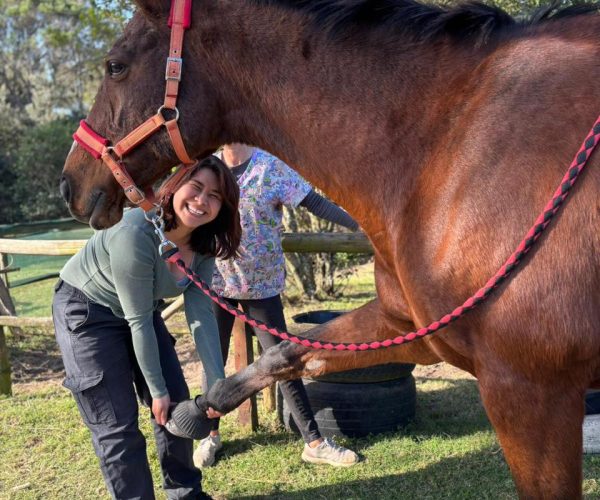
Gain real-world experience in animal care, veterinary science, and conservation through practical fieldwork, mentorship, and safari experiences in the Eastern Cape.
This pre veterinary internship in South Africa takes place on a working livestock farm in Cathcart, Eastern Cape. The programme provides structured, practical experience in animal care, basic veterinary procedures, and wildlife conservation within a supervised and educational environment.
Participants assist with daily farm activities, work closely with animals, and observe veterinary practices under guidance. The internship also includes exposure to nearby game reserves, where participants learn about wildlife conservation, animal behaviour, and ecosystem management. This programme is ideal for students and individuals interested in pursuing a career in veterinary science, animal care, or conservation, and who want structured, real-world experience before further studies.
What You Will Do
Our approach is built on sustainability, collaboration, and responsibility. We work closely with local communities and conservation teams to ensure that every initiative is relevant, ethical, and designed for long-term impact. By focusing on practical, measurable outcomes, we aim to create meaningful change that benefits both people and the environment.
Hands-On Animal Care
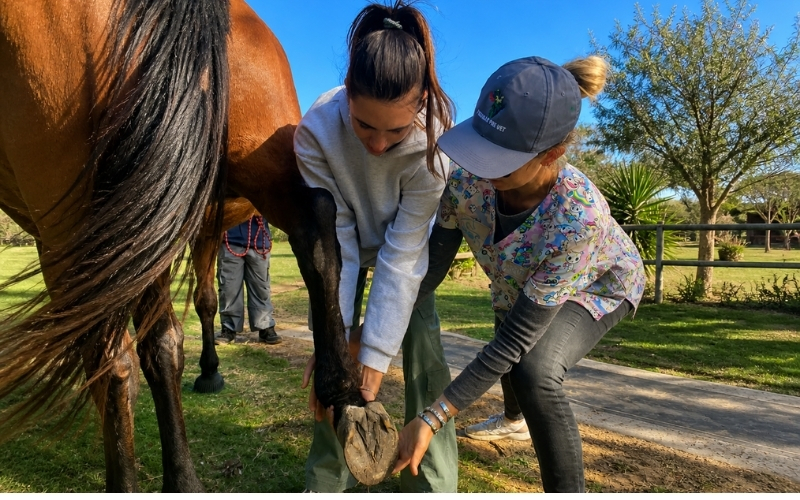
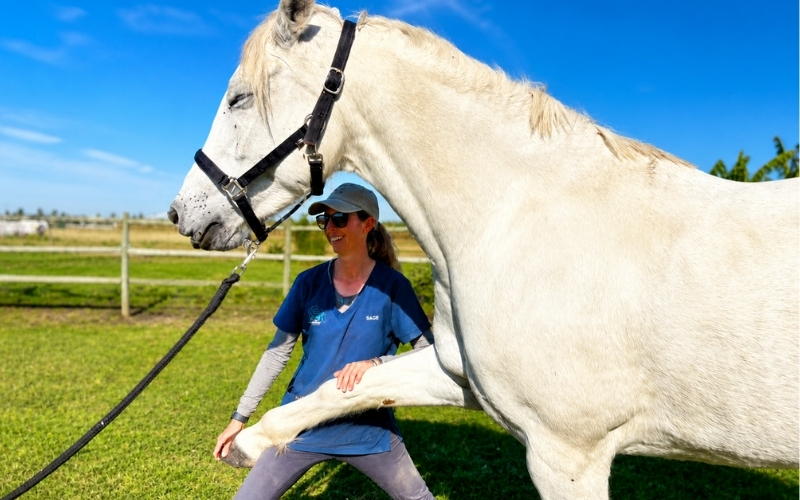
Work with horses, sheep, cattle, and small animals while assisting with feeding, treatments, and general care.
Veterinary Exposure
Observe and assist with veterinary procedures, animal health checks, and basic treatments under supervision.
Wildlife & Conservation
Visit nearby reserves and learn about wildlife management, conservation practices, and tracking.
Farm Operations
Learn breeding, livestock management, and daily farm operations through hands-on practical experience
About the Program
Where classroom knowledge meets wild Africa
SAVE Foundation’s Pre-Vet Internship & Safari program is one of South Africa’s most comprehensive hands-on animal experience programs. Based on a working livestock farm in Cathcart, South Africa. The program is designed for individuals looking to explore or enter the professional fields of veterinary science, animal welfare, wildlife conservation and animal management through practical learning rather than classroom-only study.
The course is structured into three distinct learning areas, providing both a theoretical and practical approach to working with animals in the African context, from the large to the small, from the bush to the home, and from the chronic to the cared for.

A full spectrum of animal experience
African Wildlife Conservation
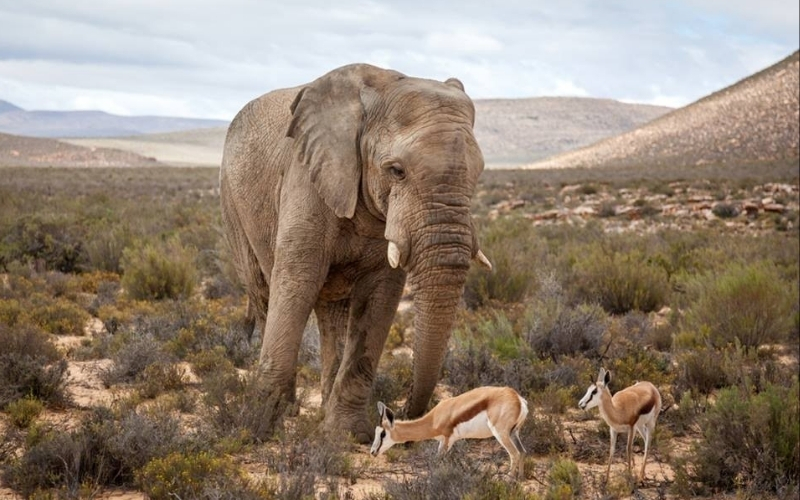
Through exposure to nearby reserves and field-based activities, participants learn about wildlife behaviour, habitat preservation, and the challenges facing conservation in South Africa. The focus is on responsible, ethical interaction with wildlife while understanding the role conservation plays in protecting species.
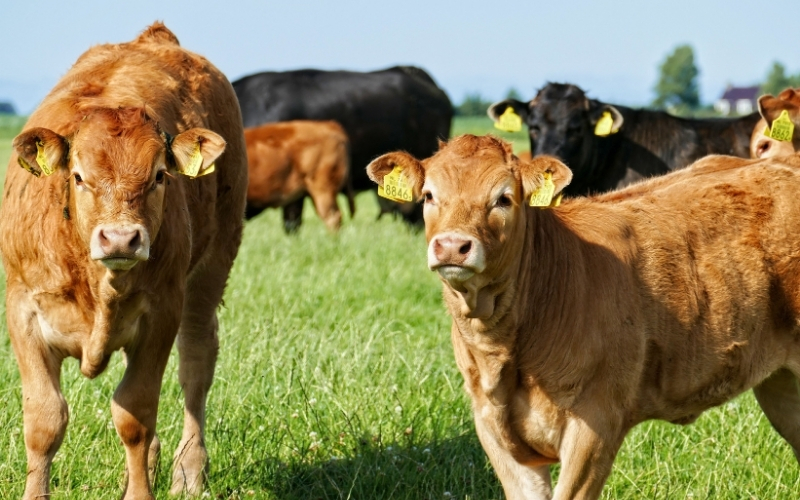
Agricultural Livestock
Visit livestock farms across the region. Gain hands-on experience in inoculations, nutrition, pregnancy testing, lambing and agricultural health management with a variety of animals including cattle, sheep, goats, and other farm animals. Learn through fieldwork, lectures, and mentorship from veterinarians.

Variety of Activities
Experience a variety of activities including:
- Animal health care and treatments
- Farm management and breeding practices
- Veterinary procedures and shadowing
- Conservation and research work
Animals You May Work With
20+ species across three environments
Previous volunteers on this program have had the opportunity to work with:
Learning experience
Programme Structure
- Small animal practice
- Large animal practice
- Wildlife practice
- Veterinary physiotherapy
- Research and convervation
package
Each Week Includes a Mix of:
- Practical fieldwork
- Educational lectures
- Veterinary shadowing
- Community and conservation activities
- Safari and outdoor experiences
what to expect
What’s Included
- Accommodation on the farm
- 3 Meals per day
- Airport transfers and transport
- Safari experiences and excursions
- 24-hour support and supervision
- Certificate of completion
would you qualify?
Who is it for?
- Anyone interested in veterinary science, animal care, or wildlife
- No prior experience required
- Minimum age: 16
Daily activities
Unique Experience
The programme is structured to provide a well-rounded and immersive conservation experience, combining orientation, field work, learning, and community:
Location
Regular time spent at sea on research and eco-tourism vessels.
Impact
Ongoing
Chance to assist in rare research trips and conservation activities
Full Package
Mix of practical work, education, and adventure.
The minimum programme duration is 2 weeks. Many volunteers choose to extend their stay after experiencing the programme first-hand.
Programme structure
A typical week on the program
| Monday | Arrival & OrientationTransfer from East London Airport. Meet your team, safety briefing, introduction to the program. |
| Tuesday | Large Animal PracticeArtificial insemination, iron supplement injections for pigs or horses. |
| Wednesday | Wildlife & Exotic AnimalsGame reserve visit — capture, immobilize and transport wildlife. Reptile handling, dart gun introduction. |
| Thursday | Livestock HealthPregnancy testing and vitamin supplement injections for beef cattle. Farm visits. |
| Friday | Sheep & Community WorkLambing assistance, inoculations. Village visit — domestic animal welfare in rural communities. |
| Sat – Sun | Free Time & AdventureSurfing, horse riding, quad biking, whale watching, day trips. Fully optional. |
What is a pre veterinary internship in South Africa?
A pre veterinary internship is a practical programme that gives participants hands-on experience in animal care, veterinary procedures, and farm management. This programme in the Eastern Cape focuses on real-world learning on a working farm combined with wildlife and conservation exposure.
Do I need experience to join the programme?
No prior experience is required. The programme is designed for beginners as well as those considering a future in veterinary science or animal care. Training and guidance are provided throughout.
What animals will I work with?
Participants work with a variety of animals including horses, cattle, sheep, and small animals. There is also exposure to wildlife through nearby game reserves and safari experiences.
Will I get hands-on veterinary experience?
Yes. Participants gain practical exposure by assisting with basic animal care, observing veterinary procedures, and learning directly from experienced professionals. All activities are supervised.
What does a typical day look like?
Each day varies depending on farm and animal needs. Activities may include feeding animals, assisting with treatments, observing procedures, attending educational sessions, and participating in conservation or safari activities.
Is the programme safe?
Yes. All activities are supervised by experienced staff, and safety protocols are followed at all times when working with animals and during field activities.
What is included in the programme?
The programme includes accommodation on the farm, three meals per day, airport transfers, local transport, safari experiences, supervision, and a certificate of completion.
Where is the programme located?
The programme takes place on a working livestock farm in Cathcart in the Eastern Cape of South Africa, with access to nearby wildlife reserves.
How long is the programme?
The programme typically runs for a set number of weeks, with flexible start dates depending on availability.
What is the minimum age to participate?
The minimum age to join the programme is 16 years.
Will I receive a certificate?
Yes. All participants receive a certificate of completion at the end of the programme.
Is accommodation provided?
Yes. Participants stay on the farm in shared accommodation, with meals provided daily.
What should I bring?
Participants should bring practical clothing suitable for farm work, closed shoes, sunscreen, and personal items. A full packing list is provided after booking.
Can this programme help with a veterinary career?
Yes. This programme is ideal for those considering a career in veterinary science, as it provides real-world exposure and practical experience that can support future studies or applications.
What is included in the safari experience?
The safari experience includes guided game drives, wildlife tracking, and conservation-focused learning in a natural environment.
How do I apply?
You can apply directly through the website or submit an enquiry to receive more information about dates, availability, and the application process.